Specific Viral Families: Orthomyxoviridae


Orthomyxoviridae

The orthomyxoviruses are medium-sized, enveloped, (-)-sense RNA viruses that vary in shape from spherical to helical. Their genome is segmented into eight pieces. Orthomyxoviruses have an affinity for mucus. The influenza A and B viruses in this viral family are of particular medical importance to humans since they cause disease in humans.

Influenza Viruses

The influenza A virus is an orthomyxovirus that infects humans, birds, swine and horses. It causes pandemics of influenza (~10-20 years) and major outbreaks of influenza (virtually every year in various countries). The influenza B virus, on the other hand, appears to be specific to humans only. It causes major outbreaks of influenza, which occur less often as those caused by the influenza A virus.

http://www.ifpma.org/Influenza/content/images/diagram_virus.jpg

Diagram of the Influenza virus

Important Properties

    · Typically spherical (100nm in diameter).

    · Composed of a single stranded (-) sense RNA genome in eight segments, a helical nucleocapsid, and an outer lipoprotein envelope.

    · 3 polymerase polypeptides with each segment.

    · 5’ and 3’ end of all segments are highly conserved.

    · Virion contains RNA-dependent RNA polymerase, which transcribes the (-) sense RNA to mRNA. Thus, the genome is not infectious.

    · Viral envelope is covered with two different types of spikes—haemagglutinin (HA) and neuraminidase (NA).

    · The ratio of HA:NA is 5:1.

Haemagglutinin functions at the beginning of infection, whereas the neuraminidase functions at the end.

Haemagglutinin

    · Binds to the cell surface receptor (neuraminic acid, sialic acid) to initiate infection.

    · Target of neutralizing antibody.

Neuraminidase

    · Cleaves neuraminic acid (sialic acid) to release progeny virus from the infected cell.

    · Degrades the protective layer of mucus in the respiratory tract, thus enhancing the ability of the virus to infect the respiratory epithelium.

Pathogenesis

    · After the virus has been inhaled, the neuraminidase degrades the protective mucus layer, allowing the virus to gain access to the cells of the upper and lower respiratory tract.

    · The infection is limited primarily to this area because the HA receptors have a specific affinity for the epithelial cells of the respiratory tract.

    · Despite systemic symptoms, viremia rarely occurs.

    · The systemic symptoms are due to cytokines circulating in the blood.

    · There is necrosis of the superficial layers of the respiratory epithelium.

    · Immunity rests mainly upon secretory IgA in the respiratory tract.

    · IgG is also produced and confers protection against future infections.

    · Innate resistance also plays a role in immunity—a mucus blanket and cilia helps to trap and expel the influenza virus out of the respiratory tract.

    · Cytotoxic T cells also play a protective role.

    · Immunocompromised patients especially prone to secondary infection such as pneumonia.

http://www.influenzareport.com/ir/images/image27.jpg

Clinical Features

    · After an incubation period 24-48 hours, fever, myalgias, headache, sore throat, and cough develop suddenly.

    · Severe myalgias (muscle pains) coupled with respiratory tract symptoms are typical of influenza.

    · Vomiting and diarrhoea are rare.

    · Symptoms usually resolve spontaneously in 4-7 days.

Differentiating Between the Common Cold and Flu

Laboratory Diagnosis

    · Nasal/throat washings or swabs; sputum.

    · Virus culture in MDCK cell line or chick embryo.

    · Direct ELISA for Haemagglutinin

    · PCR assay

Transmission and Epidemiology

    · Virus is transmitted by airborne respiratory droplets.

    · Ability of influenza A virus to cause epidemics is dependent on antigenic changes in haemagglutinin and neuraminidase.

    · Influenza infections are found all year round.

    · In the northern hemisphere, influenza occurs primarily in the winter months.

    · In the southern hemisphere, influenza occurs primarily in the winter months of June through August.

    · Few serotypes circulating simultaneously.

    · Epidemics and pandemics occur when the antigenicity of the virus has changed sufficiently that the pre-existing immunity of many people is no longer effective.

    · The antigenicity of influenza B virus also varies but not as dramatically or as often.

Antigenic Drift vs. Antigenic Shift

Antigenic Drift

Antigenic Shift

Minor change in genome.

Major change in genome.

Occurs in both Influenza A and B viruses.

Occurs in only Influenza A virus.

Point mutation in the genetic code of surface antigens.

Gene reassortment, where entire segments of RNA are exchanged, each one of which codes for a single protein (e.g. haemagglutinin).

Results in a new strain.

Results in a new subtype.

Happens all the time.

Happens occasionally.

Responsible for epidemics.

Responsible for pandemics.

https://blogger.googleusercontent.com/img/b/R29vZ2xl/AVvXsEiHqTazCXYaCPS7IC_6LrvBUpxQD7rlkXoTLlVRH5hb8c9mTJJFJLa6qQVqFiE3UTo_NdM4ZfFb7EK5O5TmZoiXuJh8QYoS4fs0kaK6yw6TxzUIzffq6PoKdZQdQqKMPCCkJUj2Bg_7Fxiz/s1600-h/aaaa.jpg

Strain Naming Convention

Strains of influenza are named as follows:

(Influenza Type)/(Animal species (omitted if human)/(Place of Isolation)/(Number of Isolates)/(Year of First Isolation)(H and N subtypes)

Example: A/Texas/36/91/(H1N1)

Control and Treatment

    · The main mode of prevention is the vaccine, which consists of killed influenza A and B viruses. It is rendered useless by antigenic shift/drift—therefore, the vaccine is usually reformulated every year to contain the current antigenic strains.

    · Antiviral drugs are used to treat influenza. This includes receptor analogues, transcriptase inhibitors, reverse transcriptase inhibitors, protease inhibitors and neuraminidase inhibitors etc.

http://www.pyroenergen.com/articles/images/tamiflu.jpg

Specific Viral Families: Picornaviridae


Picornaviridae

Picornaviruses are named for their small (“pico” + “RNA” = picorna) size. Nevertheless, they sure do have a massive and diverse array of viruses – over 100 serotypes! These viruses can even be traced all the way back to Ancient Egyptian records of polio epidemics, but are still around and cause a menagerie of diseases today.

Unique features, Morphology and Genome

Ø    Picornaviruses contain positive sense, single-stranded RNA that is approximately 7-8 kilobases long. 

Ø    The genome is monopartite  and polyadenylated at the 3’ end, but has a VPg protein at the 5’ end in place of a cap. 

Ø    The viral RNA is infectious and replication takes place in the cytoplasm

Ø    The virus has an IRES (Internal Ribosomal Entry Site) which distinguishes it from many other RNA viruses. 

Ø    The virus is naked with an icosahedral capsid. 

Ø    The triangulation number is 3, while the capsid has four unique proteins: VP1, 2, 3, and 4.

Ø    The capsid is one of the smallest of all viruses with a diameter of only 27-30nm.

Ø    Translation and cleavage of viral polypeptides produces eleven distinct proteins.


One example of a Picornaviridae virus is Rhinovirus.


With as many as more than 100 serotypes, rhinoviruses are transmitted through the respiratory route and replicate in the nose (“rhino”).  The many serotypes are then divided into “major” and “minor” groups and all cause a similar syndrome – the “common cold.”  The large number of serotypes allows many rhinovirus infections to occur in one person over time, since immunity only develops for one serotype and each newly acquired rhinovirus causes a new “cold.”  About half of all colds can be attributed to rhinoviruses, particularly those that occur in the winter.

Pathogenesis includes an Upper Respiratory Tract infection with a short incubation period of 2 to 3 days. Production of the endogenous IFN (Interferon) will help battle the virus to protect the body. IgA (a type of immunoglobulin present in blood and body secretions which may aid in fighting infections) is then locally synthesized, though it will degrade with time. However, our serum IgG (memory cell of immune system) would confer lifetime immunity! 

And how would you know that you’ve been infected by rhinovirus?

 Symptoms include, a watery nasal discharge, congestion, sneezing and little or no fever. 

A lab diagnosis of this virus will include culturing the virus, nasal washings, EIA and PCR. 

This epidemic occurs practically throughout the year, albeit there are a few serotypes circulating simultaneously! This is most probably due to the fact that the virus is abundant in nasal discharge. 

How does one control this “common cold” then? 

Well, you could wash your hands regularly, avoid touching your eyes or nose. If you happen to sneeze into a tissue, be sure to discard it right after! You might also want to avoid people who have a cold! Or, if you are the one with the cold, do stay at home! This will ensure that other people would not be affected! 


Rhino Virus

Specific Viral Families: Herpesviridae


Herpesviridae


http://pathmicro.med.sc.edu/virol/herpes_simplex.jpg

Above: TEM of Herpes Simplex Virus

Herpesviruses are a leading cause of human viral disease, second only to influenza and cold viruses. They are relatively large, enveloped viruses with linear dsDNA. Herpesviruses are widely distributed in nature.

Important properties

    · Concentric virion with

o Inner core

o Icosahedral capsid

o Amorphous tegument

o Envelope ( glycoprotein)

    · Linear dsDNA

    · Three origin of replication (ORI)

http://pathmicro.med.sc.edu/mhunt/dna15.jpg

Source:

The herpesviruses are known for their ability to cause latent infections.

    · In cells infected with herpesviruses, the viral dsDNA can exist as a provirus.

    · Herpesviruses remain in host cells, usually neurons, for long periods and retain the ability to replicate.

    · For example, a child who has recovered from chickenpox (varicella) will still have the virus in a latent form.

    · Years or decades later, the virus may be reactivated as a result of stress and/or physical factors.

    · This adult disease, which is very painful, is called shingles (zoster).

    · 11 of more than 100 genes of the herpesvirus genome are known to be involved in latency.

Pathogenesis of Human Herpes Type 1 to 5

Human Herpes Type

Name

Target cell Type

Disease

Latency

Transmission

1

Herpes simplex-1 (HSV-1)

Mucoepithelia

Oral herpes, encephalitis

Neuron

Close contact

2

Herpes simplex-2 (HSV-2)

Mucoepithelia

Genital and neonatal herpes, meningoencephalitis

Neuron

Close contact usually sexual

3

Varicella Zoster virus (VZV)

Mucoepithelia

Chickenpox (varicella) and Zoster (shingles)

Neuron

Contact or respiratory route

4

Epstein-Barr Virus (EBV)

B lymphocyte, epithelia

Infectious mononucleosis and Burkitt’s lymphoma; linked to Hodgkin’s disease, B cell lymphomas and to nasopharyngeal cancer.

B lymphocytes

Saliva

5

Cytomegalovirus (CMV)

Epithelia, monocytes, lymphocytes

Acute febrile illness; infections in immunosuppressed patients, leading cause of birth defects.

Monocytes, lymphocytes and possibly others

Contact, blood transfusions, transplantation, congenital

Clinical Features

HSV-1: Typically, Herpes labialis—Cold scores; Blisters around the mouth which lasts for around 1 week or more. May also affect the eyes (keratoconjunctivitis).

http://pathmicro.med.sc.edu/virol/coldsore2.jpg

HSV-2: Genital herpes, which is characterized by blisters, burning sensation and discharge.

VZV: In varicella, fever and malaise occur. Lesions appear on the trunk and spreads to the head and extremities. This is dangerous in pregnant women and may affect the nervous system—Guillain Barre syndrome. In zoster, painful vesicles occur along the course of a sensory nerve of the head or trunk.

http://pathmicro.med.sc.edu/virol/chickenpox3.jpg

Laboratory Diagnosis

    · Virus culture

    · Enzyme-linked immunosorbent assays (ELISAs)

    · Blood test

    · Tzanck smear

    · PCR assay

Epidemiology

HSV-1: Almost 100% of the adult population due to kissing and close proximity.

HSV-2: Up to 20% of the U.S. population due to sexual contact.

VZV: Varicella is a highly contagious disease of childhood; more than 90% of people in the U.S. have antibody by age 10 years. Varicella occurs worldwide.

EBV: Almost 100% of the adult population due to kissing and close proximity.

Control

HSV-1, HSV-2 and EBV: Avoid kissing to prevent contact with vesicular lesions or ulcers, and refrain from risky sexual behaviour. For the Herpes Simplex Viruses, caesarean section is recommended for women who are at term and who have genital lesions or positive viral cultures.

VZV: Vaccination with live, attenuated VZV (e.g. Varivax), and avoiding infected people.

Specific Viral Families: Hepadnaviridae


Hepadnaviridae

    · Small, enveloped, dsDNA (partially ssDNA) viruses.

    · The name hepadna comes from the infection of the liver—hepatitis—by a DNA virus.

    · Hepadnaviruses can cause chronic liver infections in humans and other animals, including ducks. In humans the hepatitis B virus causes hepatitis B, which can progress to liver cancer.

Hepatitis B Virus


http://pathmicro.med.sc.edu/lecture/hepatitis.gif

Important properties

  · 42-nm enveloped virion

    · Icosahedral nucleocapsid core contains a partially double-stranded circular DNA genome.

    · Envelope contains a protein called the surface antigen (HBsAg).

    · Core antigen (HBcAg) and the e antigen (HBeAg) are both located in the nucleocapsid protein but are antigenically different.

    · Endogeneous DNA-dependent DNA polymerase within the core.

    · Use of overlapping reading frame (ORF).

    · RNA-dependent DNA synthesis during replicative cycle.

Pathogenesis

    · Acute or chronic liver infection depending on the age at infection.

    · 90% of neonates and 50% of young children become chronically infected.

    · Only about 5% to 10% of immune-competent adults infected with HBV develop chronic hepatitis B.

    · A chronic carrier is someone who has HBsAg persisting in their blood for at least 6 months.

    · A high rate of heptatocellular carcinoma occurs in chronic carriers.

Basic characteristics of Hepatitis B infection:

Incubation period

60-90 days*

Fatality rate

1%

Recovery Rate

90%

Rate of Chronic Infection

<10%**

*with a range of 45-120 days

**although this can approach 90% in babies infected with HBV at birth.


http://www.medscape.com/content/2004/00/47/14/471470/art-jvh471470.fig2.gif

Above: The natural history of Hepatitis B

Clinical Features

Acute

    · Loss of appetite, nausea, vomiting, fever, abdominal pain and jaundice

    · About 90% - 95% of adults recover without sequelae

    · 5% - 10% become chronically infected

Chronic

    · While some chronic carriers will show clinical symptoms, most are asymptomatic—

they show no symptoms and may show no abnormalities on laboratory testing but remain infectious.

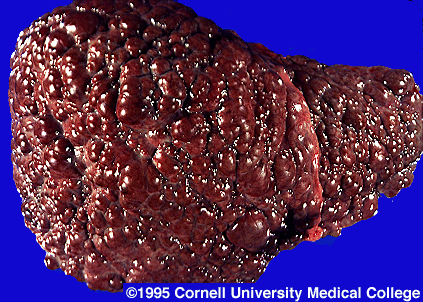
    · Some chronic carriers have chronic active hepatitis. This can lead to cirrhosis (the inflammation and hardening of the liver), hepatocellular carcinoma (primary liver cancer), and death.

http://www.pathology.med.ohio-state.edu/paxit/deptbase/Paxit/Images/10534/PAXIT025.JPG

http://www.stanford.edu/group/virus/hepadna/2004tansilvis/liver%20cirrhosis.gif

Laboratory Diagnosis


    · Quick detection for early HBV infection: immunoassay for HBsAg

    · HBsAg appears during the incubation period and is dewtectable in most patients during the acute disease. It falls to undetectable levels during convalescence in most cases

    · Prolonged presence of HBsAg indicates the carrier state and the risk of chronic hepatitis and hepatic carcinoma.

    · HBeAg is also detectable in acute infection which is characterized by a high rate of viral replication.

    · IgM antibodies against core antigen are detectable in serum.

    · Seubsequently, IgG antibodies against core are produced, and persist for life.

    · If the diagnosis of hepatitis B is confirmed, a prognosis may be assessed by liver biopsy.

Transmission

    · Through contaminated blood.

    · Sexual intercourse with an infected person. (horizontal transmission)

    · Perinatally from infected mother to newborn. (vertical transmission)

Epidemiology and Control

http://www.dshs.state.tx.us/idcu/disease/hepatitis/hepatitis_b/faqs/hepbdstb.gif

    · Estimated 400 million people worldwide infected with HBV.

    · Post 1987 babies all vaccinated against HBV.

    · Pre 1987 screening ongoing.

    · People at risk

o Doctors, laboratory workers, personnel coming in contact with blood.

o Drug addicts who share needles.

o Promiscuous behaviour.

Viral Classifications


Viral Classification

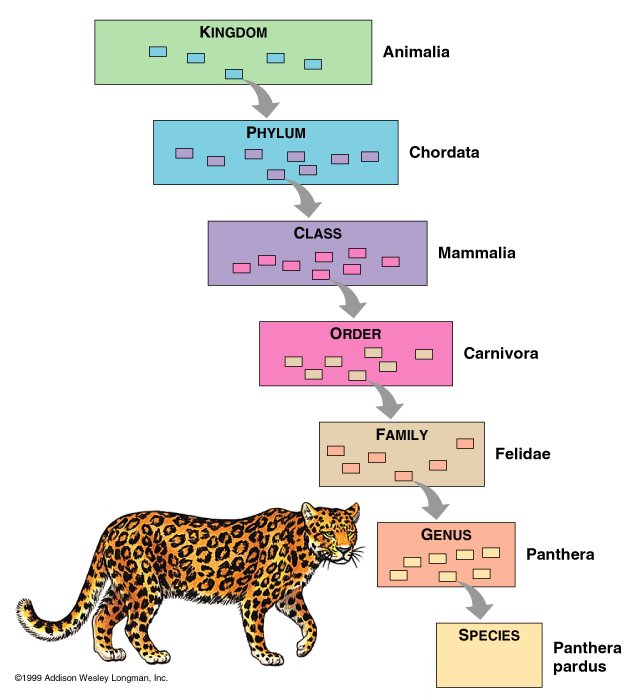
The usual means to classify and identify living things is to use the binomial system of naming devised by Carolus Linnaeus.

The hierarchy of classification:


http://www.mun.ca/biology/scarr/138599_KPCOFGS.jpg

One good mnemonic is: Keep Plates Clean Or Family Gets Sick!

However, because viruses are so different from cellular organisms, it is difficult to classify them according to the typical taxonomic categories (i.e. Kingdom, phylum). Instead, viruses may be classified with the ICTV classification, Lwoff’s scheme of classification, or the Baltimore’s system of classification.

ICTV Classification

    · Single, universal taxonomic scheme for viruses.

    · Devised by the International Committee on Taxonomy of viruses (ICTV).

    · Family is the highest taxonomic category used.

    · Criteria includes:

o Nature of genome & sequence relatedness

o Virus structure

o Natural host range

o Cell and tissue tropism

o Pathogenicity and cytopathology

    · Common name, rather than binomial term used to designate a viral species.

    · Problems such as distinguishing between viral species and viral strains have not been resolved completely.

Example:

Nidovirales (Order)àCoronaviridae (Family)àCoronavirus (Genus)àInfectious Bronchitis Virus (type species)

Note: A type species is a species whose name is linked to the use of a particular genus name. The genus is so typified will always contain the type species.

Lwoff’s Scheme of Classification

    · Devised in 1962 by Lwoff, RW Horne and P Tournier

    · Based on the physical properties of the virus:

o Nucleic acid

o Symmetry of capsid

o Presence/absence of envelope

o Dimensions of virion and capsid

Baltimore’s System of Classification

    · Devised by American biologist David Baltimore.

    · Encompasses all viruses

    · Based on the viral genome and its relationship to mRNA, modes of replication and gene expression.

    · Can make inferences and predictions about the fundamental nature of all viruses within each defined group.

    · Baltimore’s 1971 Paper titled “Expression of Animal Virus Genomes” : http://mmbr.asm.org/cgi/pmidlookup?view=long&pmid=4329869

There are 7 classes in the Baltimore Classification.

Class I (dsDNA)

Adenoviruses, Herpesviruses, Poxviruses, Papillomaviruses, Mimiviruses.

Class II (ssDNA)

Parvoviruses, Inoviruses, Microviruses, Anelloviruses, Nanoviruses.

Class III (dsRNA)

Reoviruses, Cystoviruses, Birnaviruses, Totiviruses, Partitiviruses.

Class IV ((+)-sense ssRNA)

Picornaviruses, Togaviruses, Flaviviruses, Astroviruses, Barnaviruses.

Class V ((-)-sense ssRNA)

Orthomyxoviruses, Paramyxoviruses, Rhabdoviruses, Filoviruses, Bunyaviruses.

Class VI (ssRNA reverse transcribing)

Retroviruses, Metaviruses, Pseudoviruses

Class VII (dsDNA reverse transcribing)

Hepadnaviruses, Caulimoviruses

Copyright © 2008 - The Virology Blog - is proudly powered by Blogger
Smashing Magazine - Design Disease - Blog and Web - Dilectio Blogger Template